My Grandad's Garden
On growing, remembering, and beginning again
As the growing season begins to stretch awake again, I find myself thinking about my Grandad.
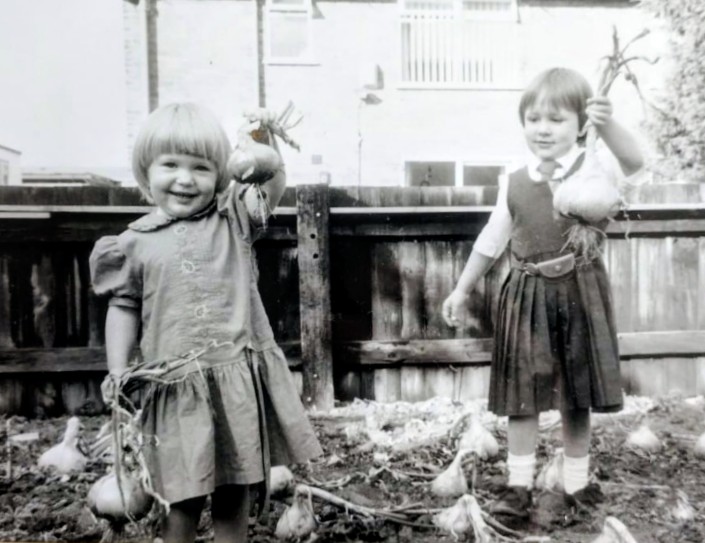
My grandparents lived in Liverpool, in a house with a small, ordinary back garden. But in my Grandad’s hands, that modest patch of earth became something extraordinary. He turned it into a vegetable plot that fed them year-round. There was no wasted space, no ornamental borders — just rows of food, carefully tended and deeply loved.
I loved helping him out there when I was little — pulling up carrots and onions from the soil, brushing the earth from them with my hands. There was something so simple and satisfying about it, even then.
He grew everything they needed: potatoes and onions, carrots and peas, garlic tucked quietly into corners, tomatoes trained up canes, cucumbers, beans — the lot. It wasn’t showy or trendy. It was practical, steady, and quietly impressive. The sort of gardening that doesn’t shout, but absolutely provides.
Looking back now, I realise how much knowledge lived in his hands. He understood seasons, soil, patience. He knew when to plant, when to wait, when to leave things alone. Food didn’t arrive wrapped in plastic; it arrived muddy, imperfect, and earned.
These days, we’re incredibly lucky to have a plot of land in the beautiful South Devon countryside. My other half grows fruit and vegetables there, and last year he even began selling some of it to the local greengrocer. Seeing crates of produce heading off to be eaten by people nearby feels quietly radical — and deeply grounding.
Something feels like it’s shifting again.
The demand for local produce is rising, driven by farmers bravely speaking out against unfair supermarket pricing and the hollow promises of greenwashing. More people are beginning to question where their food comes from, who grew it, and at what cost.
Growing food yourself — even a little — is a powerful thing. It’s good for the mind, the body, and the soul. It slows you down. It teaches patience. And there’s a deep, uncomplicated joy in knowing that you grew the food you’re about to eat — that it will nourish your body because you cared for it first.
You don’t need acres of land to begin. You don’t even need a garden. A kitchen windowsill can be a perfect place to start — lettuce grows beautifully there, catching the light while you wait for the kettle to boil.
My Grandad’s garden was small, but it fed many a life.
And that feels like a very good place to begin.